Emporia, Kansas: The prairie city built for connections
By TERENCE CROUCH
Staff Writer
Emporia's name comes from the Greek word emporion, meaning marketplace. Founded in 1857, the Kansas frontier settlement was established with commerce in mind. Its founders envisioned a hub where people, goods and opportunity would thrive.
Even before the railroad arrived, Emporia's location made it a natural crossroads. Stagecoach routes connected the community to eastern Kansas, while cattle drives and livestock feeding operations helped fuel the local economy. Those advantages would eventually make Emporia one of the most important locations on BNSF predecessor Atchison, Topeka & Santa Fe Railway (ATSF or Santa Fe).
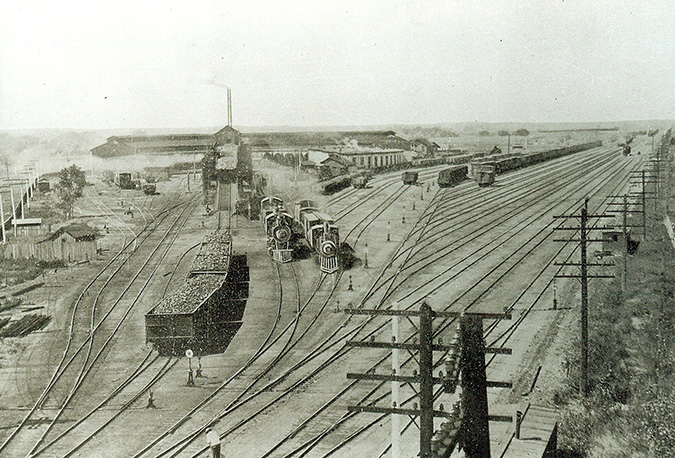
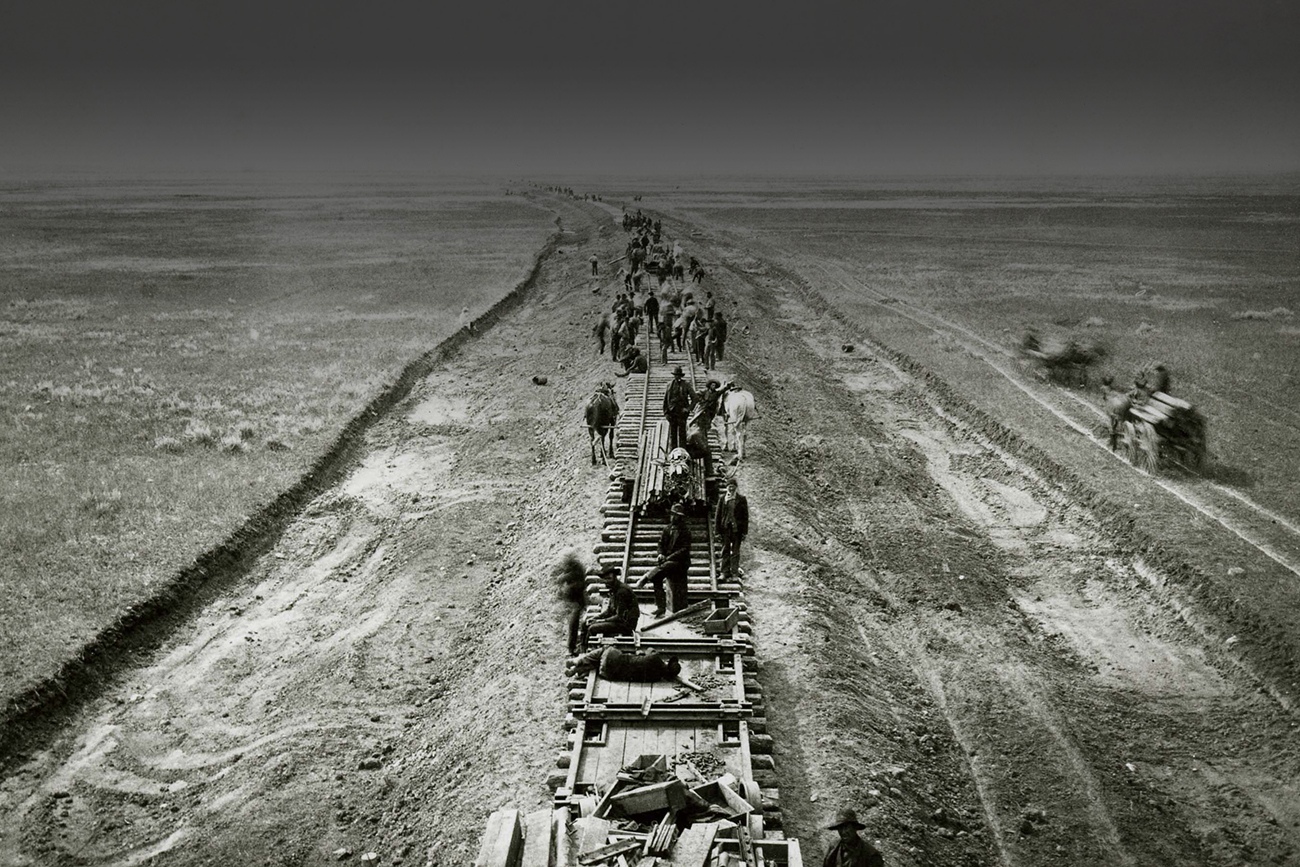
That connection was realized on Sept. 14, 1870, when Santa Fe’s first train entered Emporia.
The railroad quickly transformed the city. For decades, nearly every westbound train leaving Kansas City passed through Emporia, placing it at the center of a rail network linking the heartland with markets across the country.
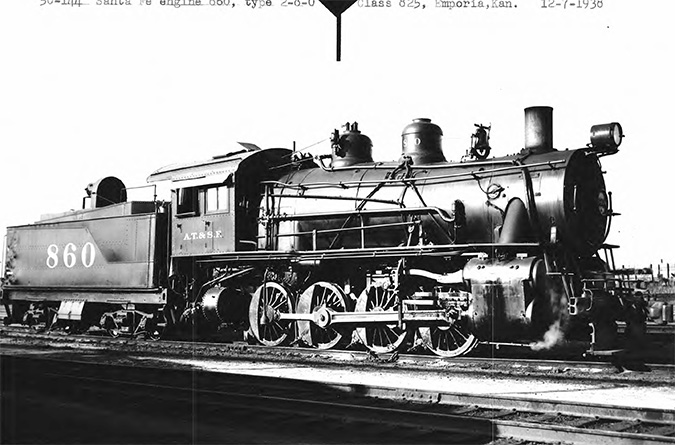
As rail traffic expanded, so did Emporia. Branch lines connected farming and ranching communities across Kansas to Santa Fe's main line, while grain, livestock and other agricultural products moved through the city to destinations far beyond the state. By the early 20th century, Emporia had become a major division point on the railroad.
Livestock played an especially important role in Emporia. Large stockyards and feeding facilities were built near the tracks, allowing cattle and sheep to be gathered, fed and shipped east. At one point, the stockyards could accommodate as many as 12,000 cattle and 50,000 sheep. During its peak, Emporia handled thousands of livestock carloads each year as animals were unloaded, watered and rested before continuing their journey.
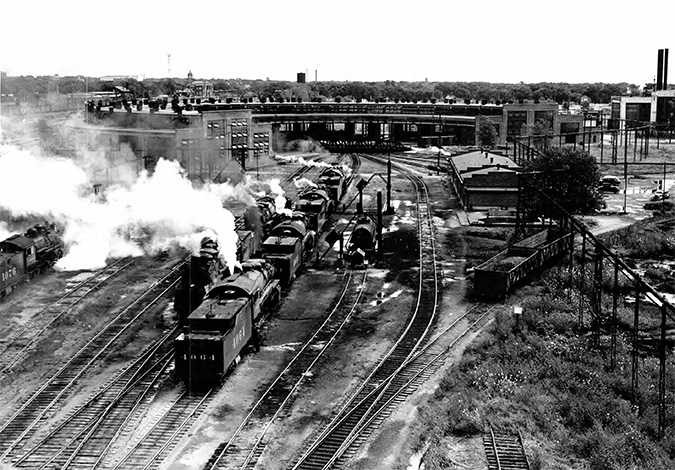
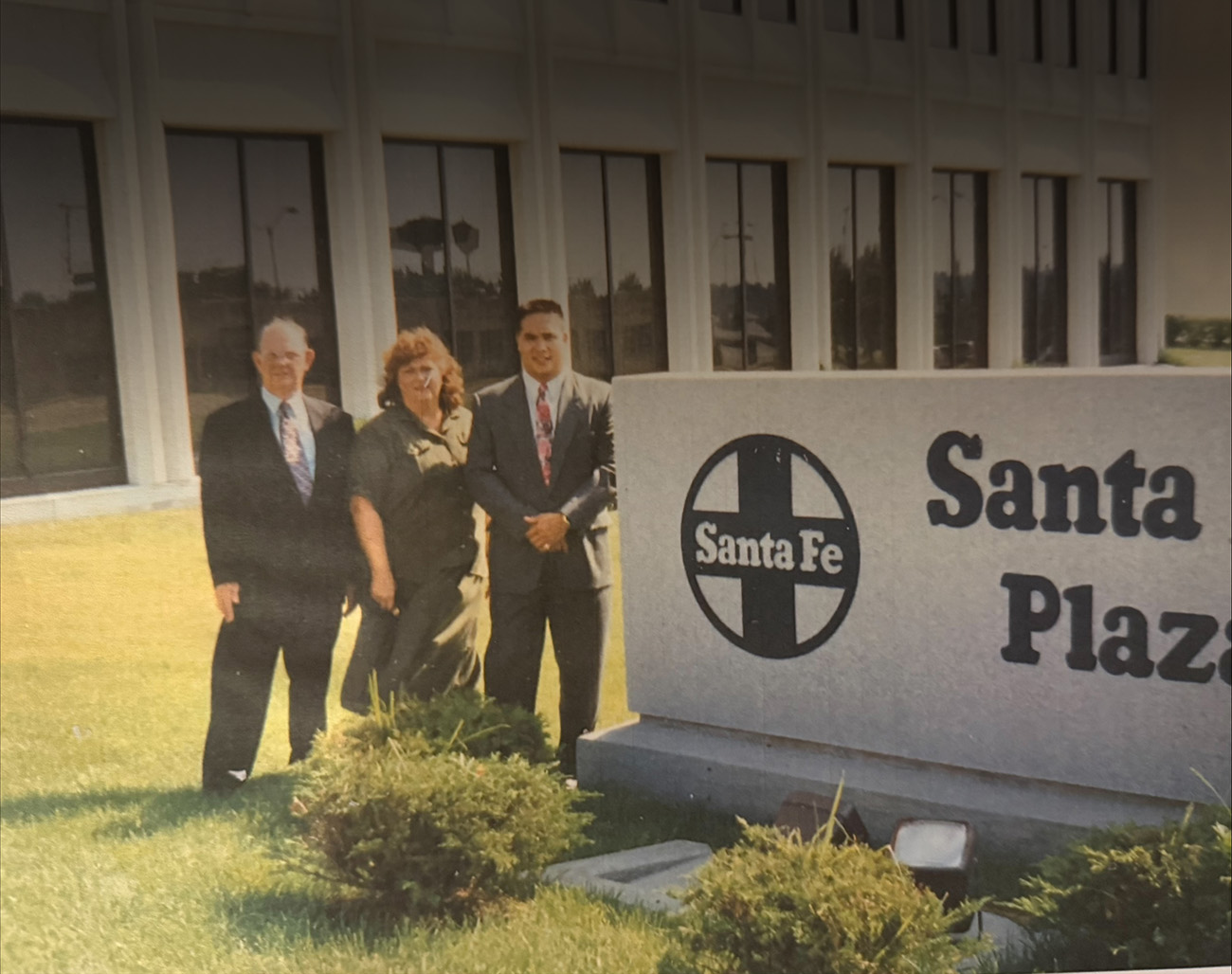
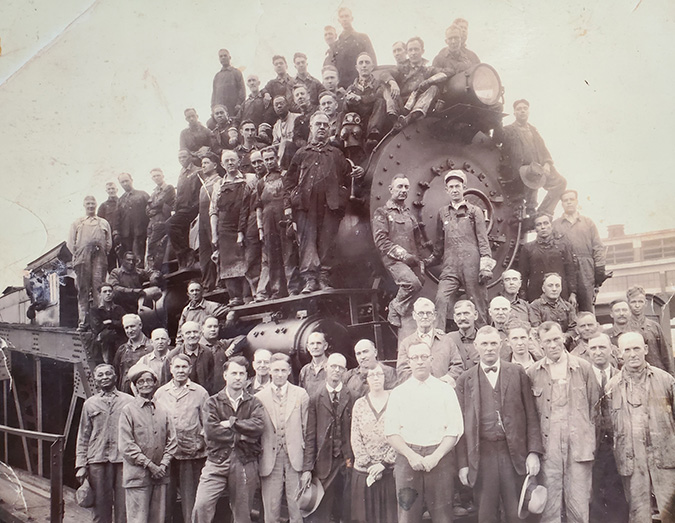
The railroad also shaped the community itself. Generations of Emporia residents built careers on the railroad, making it a defining part of the city's identity.
“When I hired on with then-Santa Fe, there was a large sense of pride you took knowing what the railroad meant to the community,” said Steve Turner, a retired BNSF signalman who spent 38 years on the railroad. “You walked a little taller around town as a railroad employee.”
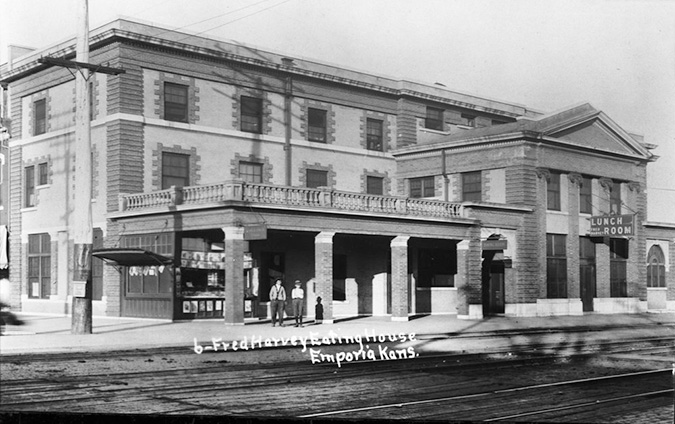
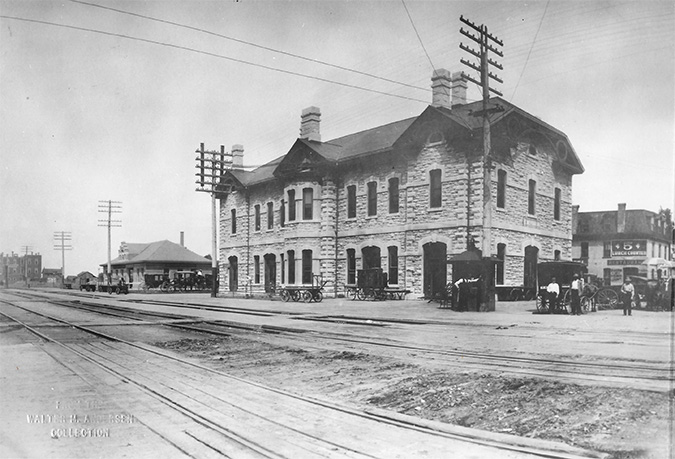
For generations, passengers traveling between Chicago, California, Texas and points between passed through Emporia. The passenger depot, originally built in the 1880s, served travelers heading to destinations across the Midwest and Southwest.
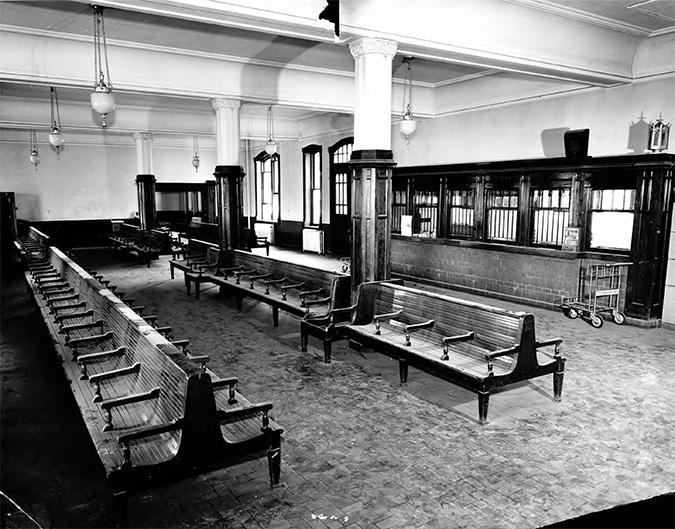
Although passenger rail service declined during the second half of the 20th century and the historic depot was destroyed by fire in 1999, the railroad never disappeared from daily life in the city.
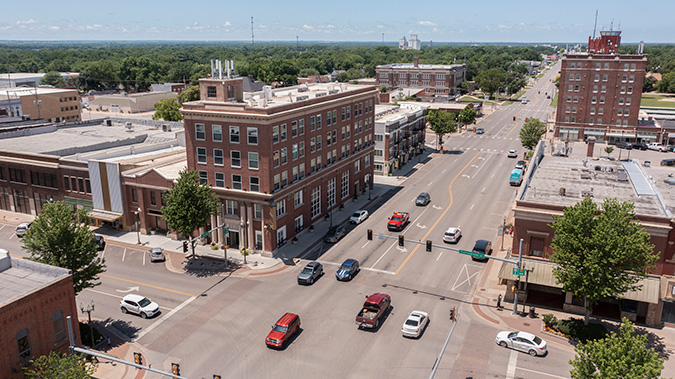
Today, Emporia remains an important point on the BNSF network.
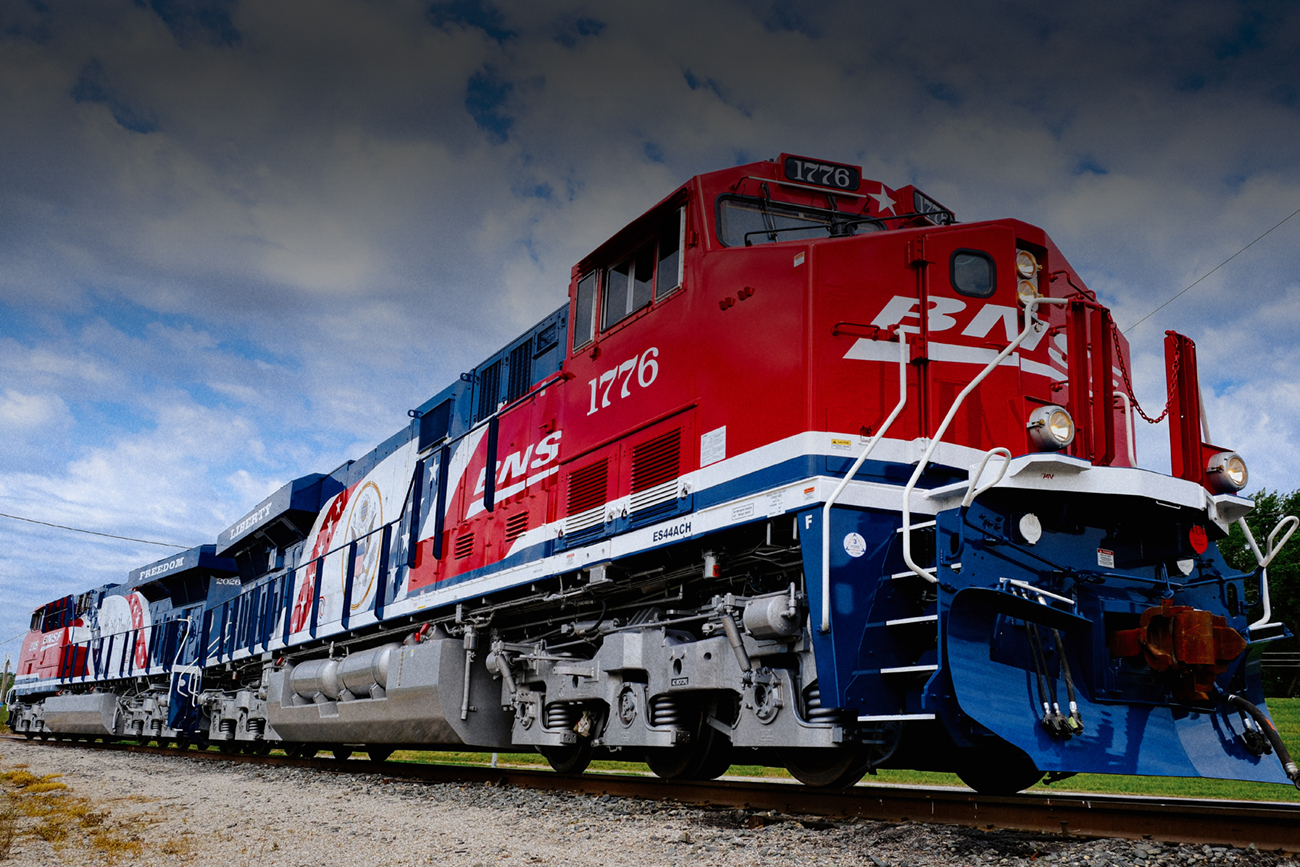
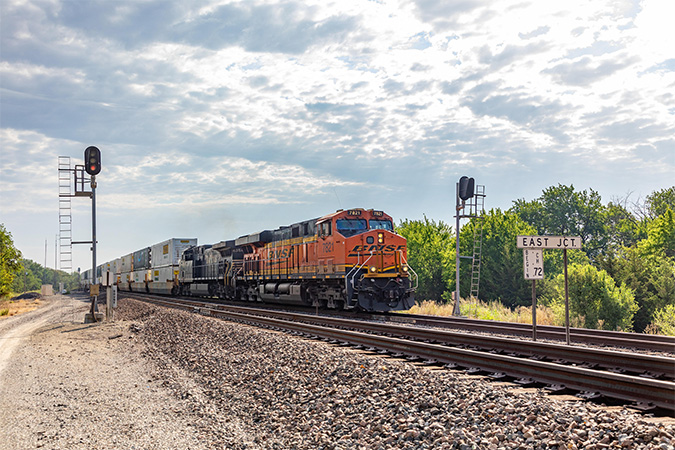
Located on our vital Southern Transcon route, one of the busiest freight corridors in North America, the city continues to serve as a connector for the movement of goods. Between 70 and 90 BNSF trains move through Emporia each day, linking the West Coast, the Southwest, the Midwest and destinations beyond.
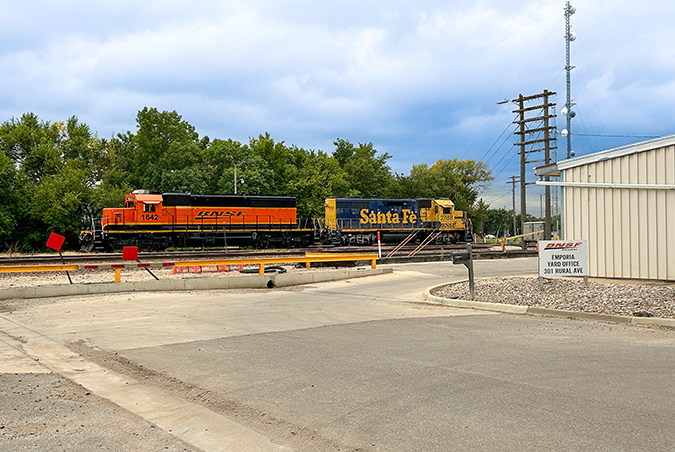
Emporia’s location also continues to shape its identity. Situated near the eastern edge of the Flint Hills, Emporia sits among one of the largest remaining tallgrass prairie ecosystems in North America. The landscape that once attracted settlers and cattlemen still surrounds the city today, providing a distinctly Kansas backdrop for trains moving across the prairie.
Beyond its railroad heritage, Emporia is home to Emporia State University, a historic downtown district and a strong agricultural economy.
More than a century and a half after the first Santa Fe train arrived, Emporia continues to live up to the vision behind its name: a place where commerce, transportation and community come together.